 Ian Soto
The constant battle against dirt, grime, and environmental wear has plagued architects and building owners for centuries.
Traditional cleaning methods require significant resources, time, and often harsh chemicals that impact both budgets and the environment. But nature has already solved this problem through millions of years of evolution.
Self-cleaning building materials represent a revolutionary approach to maintenance-free architecture, drawing inspiration directly from biological systems that have perfected the art of staying clean.
These innovative materials incorporate principles of biomimicry—the practice of learning from and mimicking natural forms, processes, and ecosystems—to create surfaces that actively repel dirt, water, and contaminants.
From lotus leaves that shed water droplets to shark skin that reduces drag, nature provides countless examples of self-cleaning mechanisms.
By understanding and replicating these natural phenomena, engineers and architects are developing design solutions that could transform building maintenance forever.
This technology promises to reduce cleaning costs, extend building lifespans, and create more sustainable structures that work harmoniously with their environment.
Lotus Effect: Water-Repelling Surfaces
The lotus leaf provides one of the most studied examples of natural self-cleaning technology.
Despite growing in muddy ponds, lotus leaves remain remarkably clean through a sophisticated surface structure that combines microscopic bumps with a waxy coating.
Microscopic Surface Structure
The secret lies in the leaf’s dual-scale roughness. Microscopic papillae create tiny peaks across the surface, while even smaller wax crystals form a secondary texture.
This combination minimizes contact between water droplets and the leaf surface, causing water to form perfect spheres that roll off easily, taking dirt particles with them.
Building materials now replicate this structure through various manufacturing techniques:
- Plasma etching creates microscopic surface patterns on glass and metals
- Chemical coatings apply hydrophobic layers that mimic natural waxes
- Textured manufacturing incorporates surface roughness during material production
- Nanoparticle treatments add microscopic structures to existing surfaces
Applications in Modern Construction
Architects are increasingly incorporating lotus-effect materials into contemporary design projects.
Glass facades treated with hydrophobic coatings reduce the need for window cleaning, while exterior cladding systems automatically shed rainwater and accumulated debris.
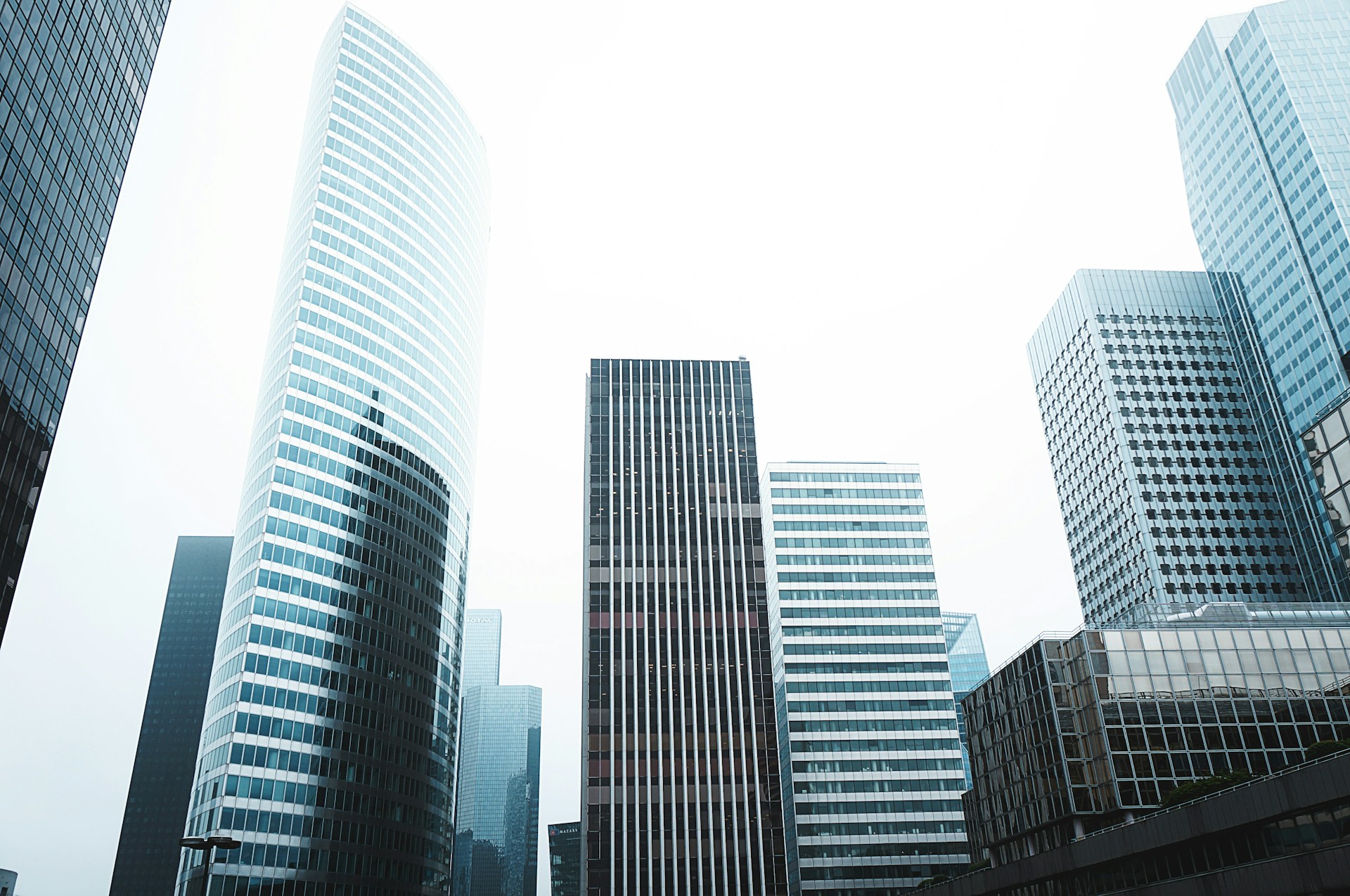
These applications particularly benefit high-rise buildings where manual cleaning poses safety risks and significant costs.
Office towers in urban environments, where pollution and dust accumulation are constant challenges, demonstrate measurable reductions in maintenance requirements when using lotus-inspired surface treatments.
Photocatalytic Titanium Dioxide Technology
Titanium dioxide (TiO2) represents another breakthrough in self-cleaning materials, operating through photocatalytic oxidation rather than physical water repulsion.
When exposed to ultraviolet light, titanium dioxide triggers chemical reactions that break down organic contaminants and pollutants.
Chemical Process Breakdown
The photocatalytic process occurs in two main stages. First, UV radiation excites electrons in the titanium dioxide crystal structure, creating highly reactive hydroxyl radicals and superoxide ions.
These reactive species then attack and decompose organic compounds on the surface, converting them into harmless water vapor and carbon dioxide.
This continuous cleaning cycle operates automatically whenever sufficient UV light is present, making it particularly effective for:
- Exterior building facades exposed to direct sunlight
- Roofing materials that receive consistent UV exposure
- Concrete surfaces in outdoor applications
- Glass installations on sun-facing building orientations
Environmental Benefits
Beyond cleaning capabilities, photocatalytic surfaces actively improve air quality by breaking down nitrogen oxides, volatile organic compounds, and other atmospheric pollutants.
A single building treated with photocatalytic materials can process air pollution equivalent to removing dozens of vehicles from nearby roads.
Shark Skin-Inspired Drag Reduction
Biomimicry research has revealed that shark skin’s unique structure reduces both friction and bacterial adhesion, inspiring self-cleaning building applications that go beyond simple water repulsion.
Riblet Technology in Architecture
Shark skin features microscopic riblets—tiny groove patterns that disrupt fluid flow and prevent particles from settling on the surface.
These structures reduce drag in water while simultaneously making it difficult for marine organisms to attach and grow.
Architectural applications of riblet technology include:
- Ventilation system components that resist dust accumulation
- Exterior panels with reduced wind resistance and debris collection
- Pipe and ductwork surfaces that maintain cleaner internal conditions
- Structural elements exposed to airflow that benefit from reduced maintenance
Anti-Fouling Properties
The riblet structure also demonstrates remarkable anti-fouling characteristics, preventing bacterial biofilms and organic growth from establishing on treated surfaces.
This dual functionality makes shark skin-inspired materials particularly valuable for buildings in humid climates or coastal environments where biological contamination poses ongoing challenges.
Modern manufacturing techniques can now reproduce these microscopic surface patterns through precision molding, laser etching, and advanced polymer processing.
The resulting materials maintain their self-cleaning properties while meeting structural requirements for building applications.
Gecko Adhesion and Release Mechanisms
Gecko feet provide insights into controllable adhesion—the ability to stick strongly when needed but release easily when desired.
This principle contributes to self-cleaning by preventing permanent attachment of contaminants while maintaining necessary material properties.
Van der Waals Forces in Building Materials
Gecko adhesion relies on millions of microscopic hairs called setae, each splitting into even smaller branches that interact with surfaces through van der Waals forces.
These weak molecular attractions allow strong collective adhesion that can be instantly released through directional movement.
Building materials incorporating gecko-inspired adhesion principles offer:
- Temporary bonding for removable architectural elements
- Self-releasing surfaces that shed accumulated particles through thermal expansion
- Selective adhesion that bonds to desired materials while rejecting contaminants
- Maintenance-free connections in modular building systems
Smart Surface Applications
Gecko-inspired technology enables surfaces that actively control their interaction with environmental elements.
These smart materials can switch between adhesive and non-adhesive states based on temperature, humidity, or mechanical triggers, providing dynamic self-cleaning capabilities that adapt to changing conditions.
Research continues into incorporating these mechanisms into exterior cladding systems, roofing materials, and architectural details that require both durability and cleanliness without traditional maintenance interventions.
Cactus Water Collection Systems
Desert plants like cacti have evolved sophisticated water collection and distribution systems that keep their surfaces clean while maximizing moisture capture from minimal precipitation and atmospheric humidity.
Directional Water Transport
Cactus spines feature conical shapes with hydrophilic tips and hydrophobic bases, creating a gradient that drives water droplets toward the plant base.
This directional flow prevents water from remaining on plant surfaces where it might encourage harmful bacterial or fungal growth.
Building design applications of cactus-inspired water management include:
- Facade systems that direct rainwater to collection points while keeping surfaces dry
- Roofing elements with integrated water harvesting and self-cleaning functions
- Wall textures that channel moisture away from building envelopes
- Architectural details that combine water collection with automatic surface cleaning
Integrated Building Systems
Cactus-inspired materials enable buildings to function as water collection systems while maintaining clean exterior surfaces.
This biomimicry approach addresses both sustainability concerns and maintenance requirements through single, integrated solutions.
These systems prove particularly valuable in arid climates where water conservation is critical and dust accumulation poses ongoing challenges.
The directional water transport naturally removes accumulated particles while contributing to building water supplies.
Implementation Challenges and Solutions
Despite their promising potential, self-cleaning building materials face several practical challenges that must be addressed for widespread adoption in architectural design.
Cost-Benefit Analysis
Initial costs for self-cleaning materials typically exceed conventional alternatives by 20-50%, creating barriers for cost-sensitive projects.
However, lifecycle cost analysis often demonstrates significant savings through reduced maintenance, extended material lifespans, and improved building performance over time.
Key economic considerations include:
- Upfront material costs versus long-term maintenance savings
- Installation complexity and specialized labor requirements
- Performance longevity and expected technology lifespan
- Building type suitability and maintenance cost differentials
Performance Limitations
Self-cleaning technologies work within specific environmental parameters and may not provide complete maintenance elimination.
Understanding these limitations helps architects make informed decisions about appropriate applications and realistic performance expectations.
Common limitations include:
- UV light requirements for photocatalytic systems in shaded locations
- Water availability for hydrophobic systems in extremely dry climates
- Surface durability under mechanical stress and weather exposure
- Contamination types that may not respond to specific cleaning mechanisms
Integration with Traditional Building Systems
Successful implementation requires careful coordination with conventional building systems and construction methods.
Self-cleaning materials must meet structural requirements, building codes, and aesthetic standards while maintaining their specialized surface properties.
Professional design teams must consider compatibility with insulation systems, weatherproofing details, and long-term building envelope performance when specifying these advanced materials.
Future Applications and Innovations
The field of self-cleaning building materials continues evolving rapidly, with new applications and improved performance emerging from ongoing biomimicry research and materials science advances.
Smart Building Integration
Future self-cleaning systems will likely integrate with building automation and monitoring systems, providing real-time feedback about surface conditions and cleaning performance.
These smart materials could adjust their properties based on environmental conditions or maintenance schedules.
Emerging technologies include:
- Sensors embedded in self-cleaning surfaces for performance monitoring
- Responsive materials that activate cleaning mechanisms based on contamination levels
- Connected building systems that coordinate multiple self-cleaning technologies
- Predictive maintenance algorithms that optimize cleaning cycles and material performance
Expanded Material Applications
Research continues into applying self-cleaning principles to a broader range of building materials, including structural elements, interior surfaces, and specialized architectural components.
This expansion could eventually create buildings that require minimal maintenance intervention across all systems.
Enhanced Environmental Performance
Next-generation self-cleaning materials may provide additional environmental benefits beyond reduced maintenance requirements.
These could include air purification capabilities, energy generation through integrated photovoltaic elements, and carbon capture functionalities.
The Clean Future of Architecture
Self-cleaning building materials represent more than just a maintenance innovation—they embody a fundamental shift toward architecture that works with natural principles rather than against them.
By applying biomimicry to solve persistent building challenges, architects and engineers are creating structures that actively maintain themselves while reducing environmental impact.
The technology has moved beyond experimental applications to practical implementation in commercial and residential projects worldwide.
As costs continue decreasing and performance improves, self-cleaning materials will likely become standard elements in sustainable design practices.
For architects and building owners considering these technologies, the key lies in understanding specific application requirements and selecting appropriate self-cleaning mechanisms for each project’s unique environmental conditions and performance goals.
The future of building maintenance may well be no maintenance at all—just intelligent materials that keep themselves clean through the wisdom of natural design.
Nature’s self-cleaning genius isn’t limited to laboratories and construction sites; it’s visible all around us, from the shimmer of a lotus pond to the fields and orchards of a working farm. If you’re curious to see these natural systems in action outside the architectural world, learn more at a family farm that celebrates the same biological processes shaping tomorrow’s buildings.

 Ian Soto