 Ian Soto
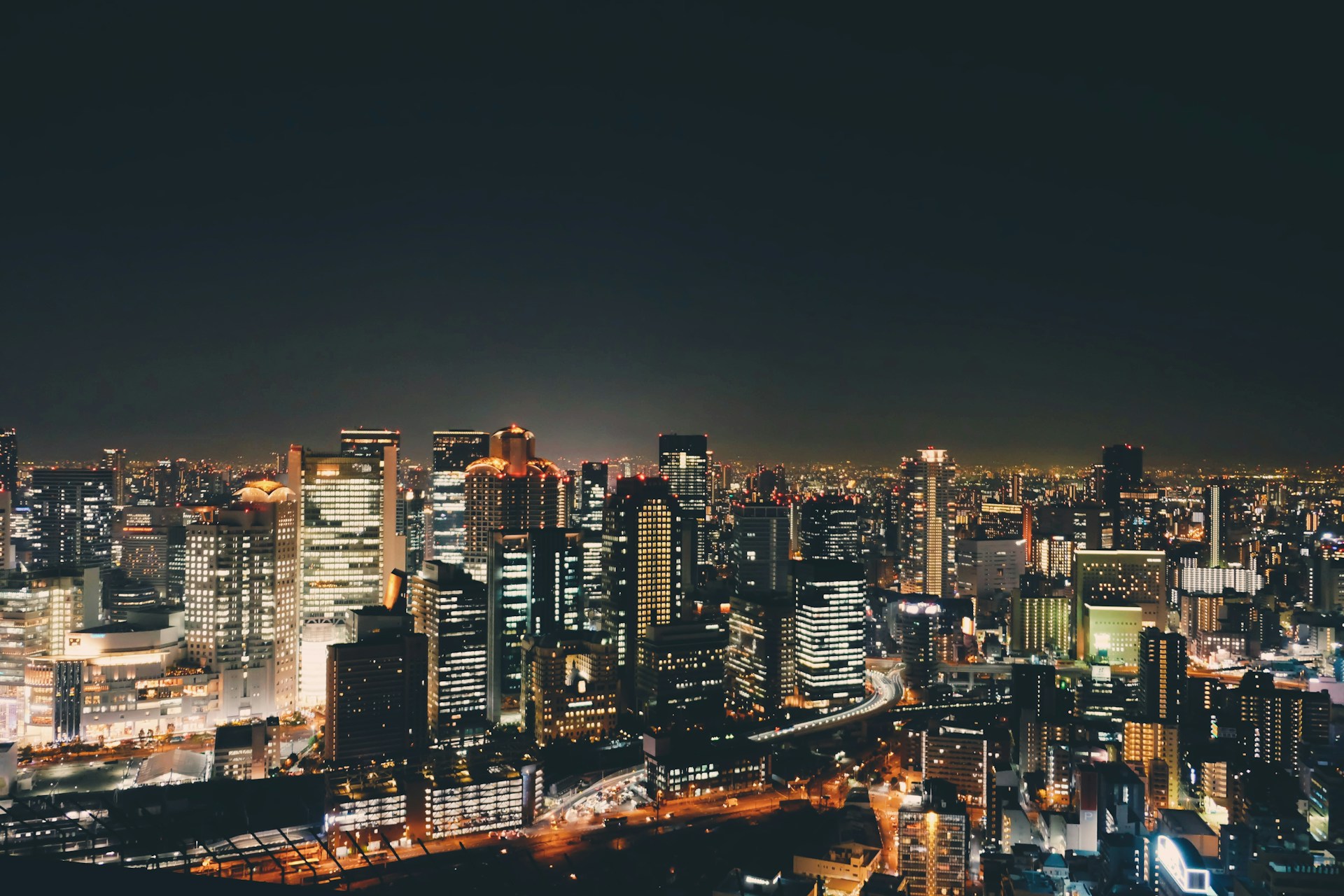
The world’s population is concentrating in urban centers at an unprecedented rate. By 2050, nearly 70% of humanity will call cities home, with many of these urban areas expanding into massive metropolitan regions housing tens of millions of people.
This dramatic shift presents both extraordinary opportunities and formidable challenges that demand innovative approaches to infrastructure development.
Mega cities—urban areas with populations exceeding 10 million—are becoming the new normal rather than the exception.
Tokyo, Delhi, Shanghai, São Paulo, and Mexico City already exemplify this trend, each grappling with the complex demands of supporting enormous populations within limited geographical boundaries.
As urban growth accelerates, these metropolitan giants face mounting pressure on their infrastructure systems, from transportation networks to water distribution and waste management.
The scale of this challenge cannot be overstated. Traditional construction materials and methods that served smaller cities adequately are proving insufficient for the demands of mega-scale urban environments.
The need for infrastructure that can adapt, self-monitor, and respond to changing conditions has never been more critical.
The Scale of Urban Growth Challenge
Population Projections and Urbanization Trends
Current demographic data reveal a striking pattern: urban populations are growing at twice the rate of rural populations globally. The United Nations projects that by 2030, there will be 43 mega cities worldwide, compared to just 31 today.
This expansion isn’t limited to developed nations—emerging economies are experiencing some of the most dramatic urban growth rates.
Cities like Lagos, Nigeria, and Dhaka, Bangladesh, are adding millions of residents each decade, straining infrastructure that was never designed for such massive populations.
The rapid pace of this growth often outstrips the ability of municipal governments to plan and implement adequate infrastructure solutions.
Infrastructure Strain Points
The pressure points in mega cities are becoming increasingly evident:
- Transportation systems are struggling with congestion that costs billions in lost productivity
- Energy grids are facing peak demand that exceeds capacity during extreme weather events
- Water distribution networks dealing with aging pipes and increasing demand
- Waste management systems are overwhelmed by the sheer volume of materials requiring processing
- Housing stock is insufficient to meet demand, leading to informal settlements
Material Innovation Driving Urban Solutions
Self-Healing Concrete and Infrastructure Resilience
Revolutionary materials are emerging to address the durability challenges faced by mega cities.
Self-healing concrete, embedded with limestone-producing bacteria or shape-memory alloys, can automatically repair minor cracks before they become major structural problems.
This technology extends infrastructure lifespan significantly while reducing maintenance costs.
The economic implications are substantial. Traditional concrete infrastructure in major cities requires replacement or major repairs every 30-50 years.
Advanced materials can double or triple this lifespan, representing savings of billions of dollars for municipal budgets.
Adaptive Building Systems
Modern mega cities require buildings that can respond to changing environmental conditions. Phase-change materials in building envelopes automatically regulate temperature, reducing energy consumption for heating and cooling.
Piezoelectric materials embedded in high-traffic areas can harvest energy from footsteps and vehicle movement, contributing to the city’s power grid.
Water Management Innovations
Water scarcity affects nearly 40% of the global population, with mega cities facing particular challenges due to their concentrated demand.
Advanced filtration materials, including graphene-based membranes and bio-inspired filters, are making water recycling and desalination more efficient and cost-effective.
Transportation Infrastructure Evolution
Mass Transit Systems
Mega cities require transportation systems that can move millions of people efficiently. Maglev technology, utilizing superconducting materials, offers the potential for ultra-high-speed rail networks within urban areas.
These systems can achieve speeds exceeding 400 kilometers per hour while maintaining energy efficiency superior to conventional rail systems.
The integration of lightweight, high-strength materials in railcar construction reduces energy requirements while increasing passenger capacity.
Carbon fiber composites and advanced aluminum alloys are becoming standard in next-generation transit systems.
Autonomous Vehicle Infrastructure
The transition to autonomous vehicles requires infrastructure embedded with communication technologies.
Road surfaces incorporating sensors and communication arrays can provide real-time data to vehicle navigation systems, optimizing traffic flow and reducing congestion.
Energy Infrastructure for Mega Cities
Distributed Generation Networks
Centralized power plants cannot efficiently serve the diverse energy needs of mega cities.
Distributed generation, utilizing advanced photovoltaic materials and wind capture technologies integrated into building designs, creates more resilient energy networks.
Perovskite solar cells, still in development but showing remarkable efficiency gains, could make building-integrated photovoltaics economically viable on a massive scale.
These materials can be manufactured as flexible films, allowing integration into curved surfaces and non-traditional architectural elements.
Energy Storage Solutions
Grid-scale energy storage is essential for managing the variable demand patterns in mega cities.
Advanced battery chemistries, including solid-state lithium batteries and flow battery systems, provide the capacity needed to store renewable energy for use during peak demand periods.
Water and Waste Management Systems
Closed-Loop Water Systems
Mega cities cannot rely solely on external water sources. Closed-loop systems that treat and reuse water multiple times within the urban environment are becoming necessary.
Advanced membrane technologies and biological treatment systems make it possible to purify wastewater to potable standards.
Atmospheric water generation, using materials that can extract moisture from air even in low-humidity conditions, provides an additional water source for cities in arid regions.
Waste-to-Resource Conversion
The volume of waste generated by mega cities presents both a challenge and an opportunity.
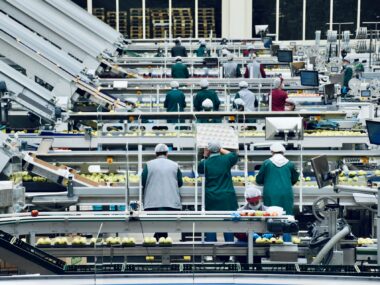
Advanced sorting and processing technologies can convert organic waste into biogas, while recycling systems can recover valuable materials from electronic waste and construction debris.
Plasma gasification systems can convert non-recyclable waste into synthetic gas, which can be used for energy generation or as feedstock for chemical production.
Coordinating the Mega City Workforce
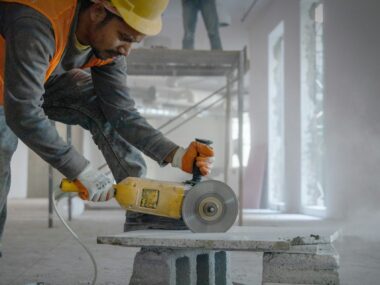
None of these innovations matter without the people and logistics to deliver them. Mega-scale infrastructure projects depend on a constant flow of specialized labor, equipment, and materials moving across sprawling urban job sites, often on tight timelines and tighter budgets. Coordinating that movement manually, through spreadsheets and phone calls, simply can’t keep pace with projects of this scale.
This is where logistics technology becomes as essential as the materials themselves. Just as self-healing concrete and smart grids are transforming the physical infrastructure of mega cities, specialized software is transforming how the people and equipment behind that infrastructure get where they need to go.
For companies managing fleets of personnel and equipment across these sprawling job sites, a dedicated crm for packers and movers can streamline scheduling, dispatch, and client communication, ensuring that the right resources arrive at the right location without the delays that have historically plagued large-scale urban projects.
As mega cities continue to grow, the firms that pair materials innovation with smarter operational systems will be best positioned to deliver projects on time and on budget.
Economic and Environmental Considerations
Cost-Benefit Analysis
The initial investment in advanced infrastructure materials is significant, but the long-term economic benefits are compelling.
Reduced maintenance costs, improved energy efficiency, and enhanced durability create positive returns on investment over infrastructure lifespans.
Cities that invest in advanced infrastructure today position themselves for competitive advantages in attracting businesses and residents. The quality of urban infrastructure directly impacts economic productivity and quality of life.
Sustainability Metrics
Environmental impact assessment must consider the full lifecycle of infrastructure materials.
While some advanced materials require energy-intensive manufacturing processes, their extended lifespans and improved performance often result in net environmental benefits.
Carbon capture materials integrated into building facades can actively remove CO2 from urban atmospheres, turning infrastructure into environmental assets rather than just neutral elements.
Preparing Cities for the Next Decade
The challenges facing mega cities are not theoretical future concerns—they are immediate realities requiring urgent action.
The infrastructure decisions made today will determine whether these urban centers become vibrant hubs of human activity or unsustainable concentrations of environmental and social problems.
Investment in material science research and infrastructure innovation represents one of the most important priorities for governments and private sector partners. The cities that successfully integrate advanced materials and adaptive infrastructure systems will set the standard for urban development in the coming decades.
The transition to sustainable mega cities requires coordinated effort across multiple sectors, from government policy makers to materials scientists to urban planners. The technologies exist today to begin this transformation—what’s needed now is the will to implement them at the scale these challenges demand.


 Ian Soto